Amore bio
Friuli-Venezia Giulia
The listing
Amore bio is an artisanal gelateria in Friuli-Venezia Giulia.
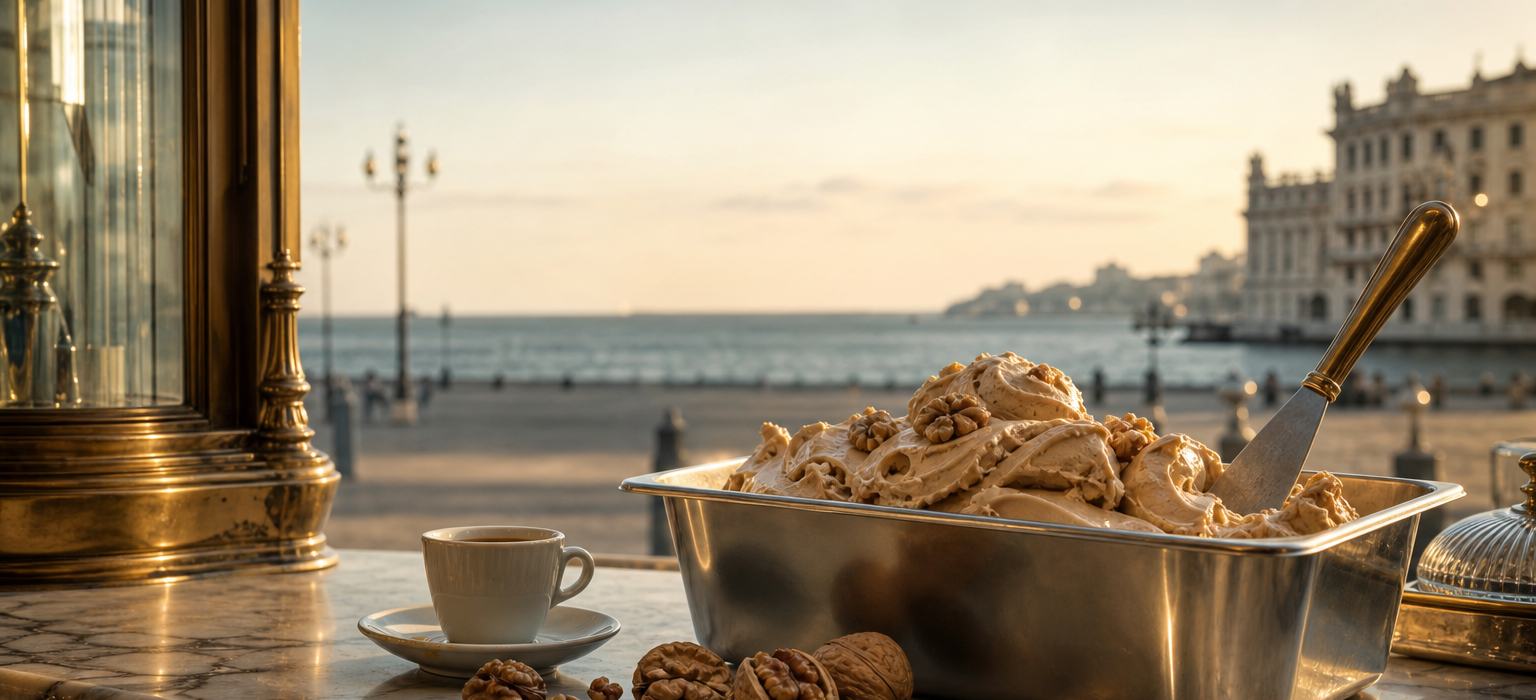
The flavor this guide pairs with Friuli-Venezia Giulia is walnut. Anyone stepping into Amore bio can use it as a reference, while keeping an eye on the classics: fior di latte, crema and the sorbets of the moment say a lot about a laboratory's quality.
Hours and openings can shift with the season: a quick direct check before setting off avoids surprises.
The symbol flavor of Friuli-Venezia Giulia on this guide — a tasting compass, not a verdict on the counter.
The gelateria in its territory
This listing is part of the guide to artisanal gelaterie in Friuli-Venezia Giulia, which follows 188 counters across the region: the regional pages gather the addresses town by town, with maps and practical details.
Listing information comes from public sources — including OpenStreetMap — and from the guide’s archive: the editorial team verifies and enriches it over time, and when a piece of data is not confirmed it is left out rather than invented. No listing is paid for.
Artisanal gelato in Italy: the context for this listing
Italian artisanal gelato is not a single product: it is a geography. Every region has brought its own ingredients to the counter — Bronte pistachio in Sicily, hazelnut in Piedmont, bergamot in Calabria, alpine milk in the north — and every city has its reference counters, often handed down through generations.
The difference between artisanal and industrial gelato is decided in the laboratory: daily churning, fruit in season, less air and fewer added vegetable fats. That is why the same word, gelato, can describe such different experiences from one address to the next.
Italy counts tens of thousands of gelato shops, but the truly artisanal counters give themselves away in the details: a flavor list that changes with the weeks, believable colors, covered tubs that protect the product instead of showing it off.
The guide gathers gelaterie region by region: from the regions page you can drill down to the city and to each individual listing.
How to use the guide starting from this listing
From here you can go back up to the gelaterie page and pick a region from the map: every regional page lists the counters town by town, with their listings linked. If you already have a name in mind, the homepage search is faster — it digs through thousands of listings by name, city and region.
The richest listings show address, map, hours and contact details; this is one of the leaner ones, and it will grow as public sources confirm new data. In the meantime the usual criteria for spotting a serious counter still apply: seasonality, natural colors, covered tubs.
What to taste at the counter
A simple tasting method: one scoop of a classic cream and one of the flavor that tells the territory’s story — for Friuli-Venezia Giulia, on this guide, walnut. If both convince, the rest of the display case rarely disappoints. Being wary of bright colors out of season remains the oldest and soundest advice in the trade.
Seasons matter: citrus and rich creams in winter, stone fruit and sorbets in summer. A counter offering strawberry in December is telling a different story from that of artisanal gelato.
Nearby gelaterie in the guide
In the same area the guide also follows 86 Il Gelato, Accademia del gelato and Al Camping: their listings are linked below. Even outside the big cities, comparing nearby counters says a lot about the level of the area.
FAQ about Amore bio
Which flavor should you try in Friuli-Venezia Giulia?
The region's symbol flavor on this guide is walnut: a good first scoop, together with the classics that reveal any laboratory — fior di latte, crema and the sorbets of the season.
How can you find the exact address of Amore bio?
This listing does not yet carry a verified address: the best move is to look up the shop’s name on its official channels or an online map. The guide fills in missing data at its update cycles, as soon as the sources confirm it.
How can you tell whether a gelateria is genuinely artisanal?
Look for three things: seasonal flavors, believable colors and protected tubs. And listen for one: the people serving an artisanal counter can usually tell you where the pistachio, hazelnut and fruit come from. Vague answers say more than any sign.
Why do some listings carry more information than others?
Because the guide publishes only what the sources confirm: if hours, founding year or contact details cannot be verified, the listing leaves them out rather than inventing them. Listings grow richer at each update cycle, as data finds confirmation.
Is the information in this listing verified?
Yes, within the limits of the sources: the guide cross-checks public sources against its own archive and publishes only what it finds confirmed. Missing fields are a choice of honesty, and no listing is sponsored.