Artisanal gelaterie
Find the best artisanal gelaterie in Italy, region by region
5,516 gelaterie across twenty regions: one symbol tub for each, with maps and verified listings. Search a name or a city — the counter takes care of the rest.
The guide
Italian artisanal gelato, region by region
AppGelato gathers the artisanal gelaterie of Italy, north to south: from historic counters that carry their founding year in their name to neighbourhood laboratories churning every morning. Every listing tells you where the gelateria is, with a map and address, and reports hours, contact details and founding year whenever public sources confirm them.
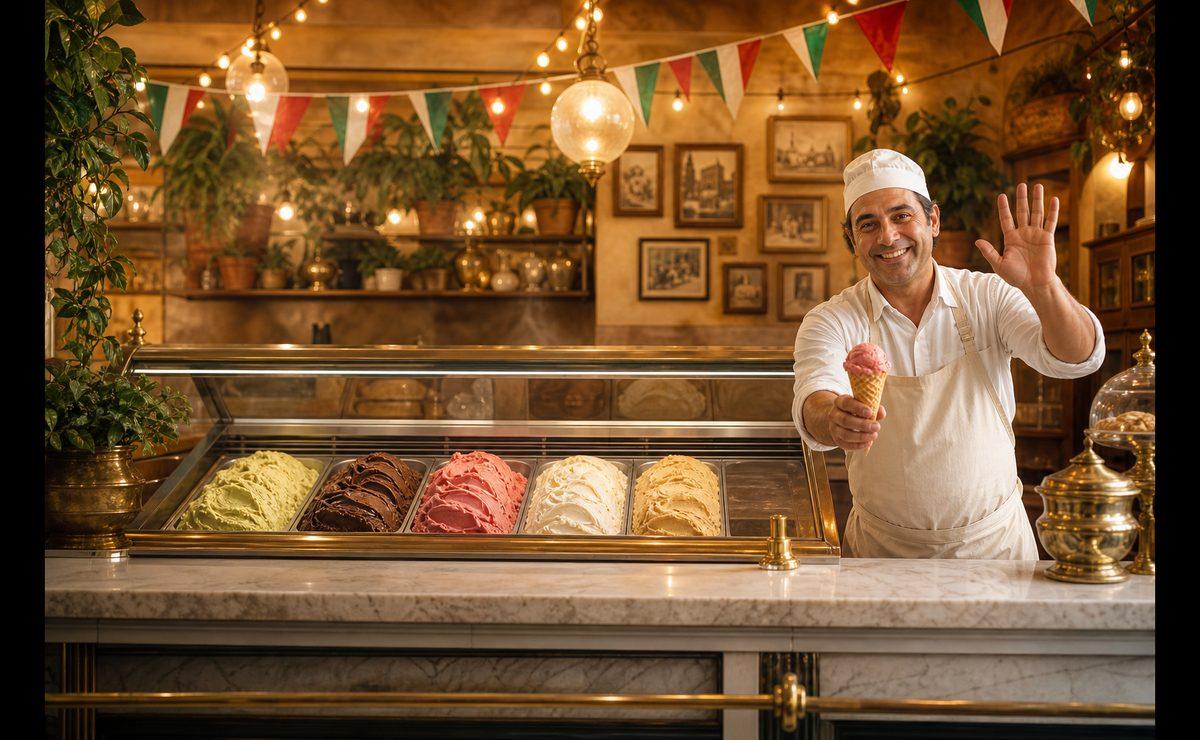
The counter above is the guide's compass: twenty tubs, one per region, each with the flavor that tells its story best. Pistachio for Sicily, gianduia for Piedmont, stracciatella for Lombardy, bergamot for Calabria: following them is the most direct way to understand, region by region, how much artisanal gelato changes from one end of the country to the other.
The best artisanal gelaterie reveal themselves in the laboratory, not on the sign: flavors that follow the seasons, natural colors, covered tubs. The guide's pages describe each territory region by region and explain what to look for city by city, while the individual listings line up the practical details for getting there: if you have a name in mind, start from the search; if you are exploring, start from the map.
The map of Italy's artisanal gelaterie is built from public sources — including OpenStreetMap — and the guide's archive; the editorial team verifies and updates it over time, with no paid rankings. When a piece of information is not confirmed, it does not appear: a lean but reliable listing is worth more than a display window full of promises.
Florentine tradition credits Bernardo Buontalenti with serving the first frozen cream at the Medici court in the sixteenth century: from there to the neighbourhood tub, gelato has remained Italy's most democratic dessert.
From Bronte pistachio to Reggio bergamot, every region has its symbol tub on the AppGelato counter: a tasting compass that turns the map into a menu.
The European Day of Artisanal Gelato — the only day the European Parliament has ever dedicated to a food — opens the counter season across Europe every year.
Like an app, with nothing to install
All of Italy's gelato, in your pocket
The guide is designed to be used on the road: search by name or city, filter by town, open the map and reach the counter. Every listing loads in an instant even while roaming, and works on any phone — no store, no registration.
The region counter, the instant search and the embedded maps do what a dedicated app used to do — only now all it takes is a link.
Explore by region
Twenty regions, twenty tubs
Hover over the map: every region has its own page, with the gelaterie grouped town by town and the symbol flavor to taste.
Featured gelaterie
The best artisanal gelaterie with a history
Some counters carry their founding year in their name: they are often the best gelaterie to start a tasting journey from, because a display case that crosses generations tells of a laboratory that never stopped convincing.
News & recipes
Latest from the world of gelato
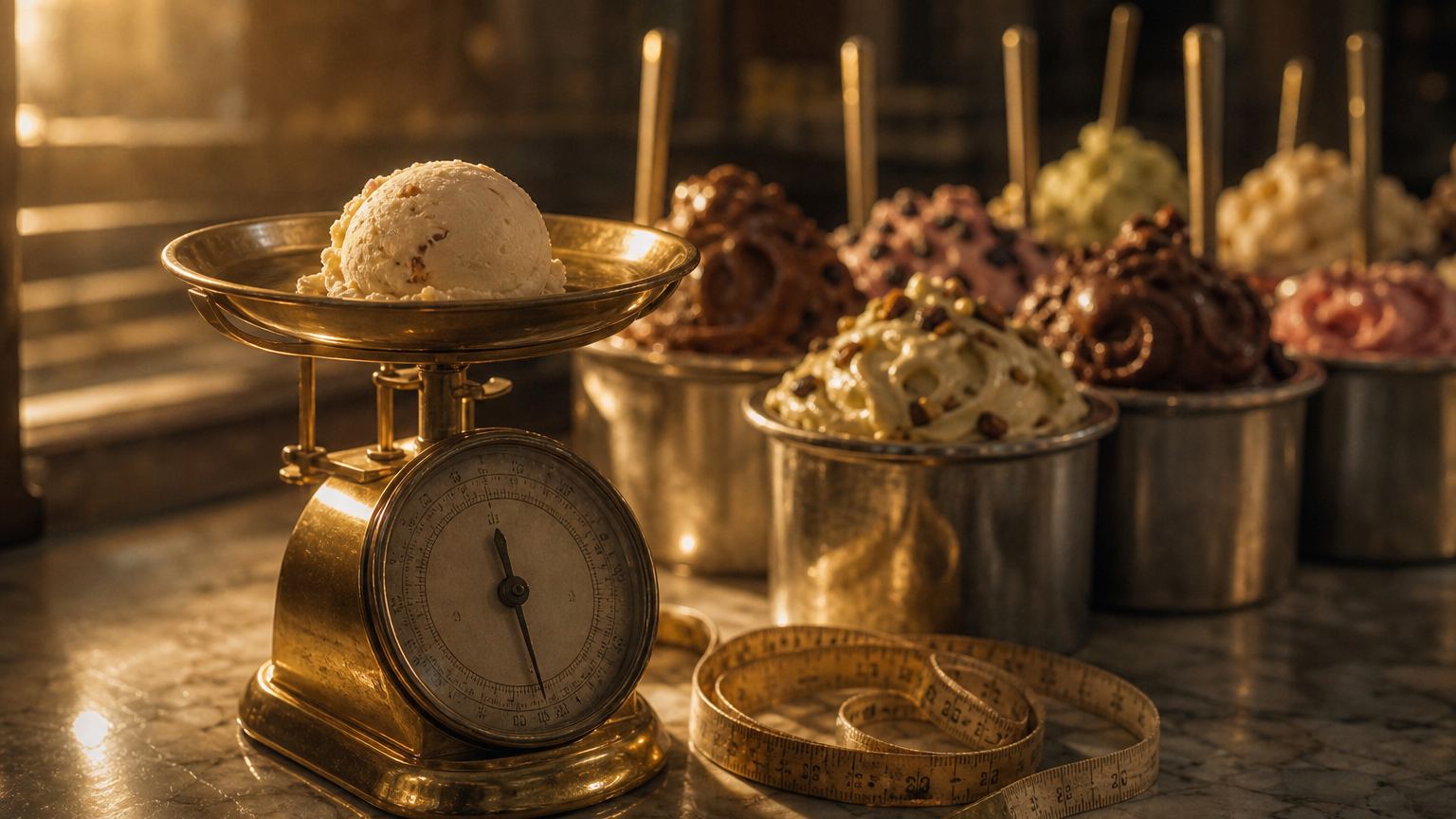
Artisanal Gelato Calories: How Many a Scoop Really Contains, with a Flavor-by-Flavor Chart
How many calories are in artisanal gelato? Scoop weight, a flavor chart from fior di latte to pistachio, and how creams, sorbets and cones compare.
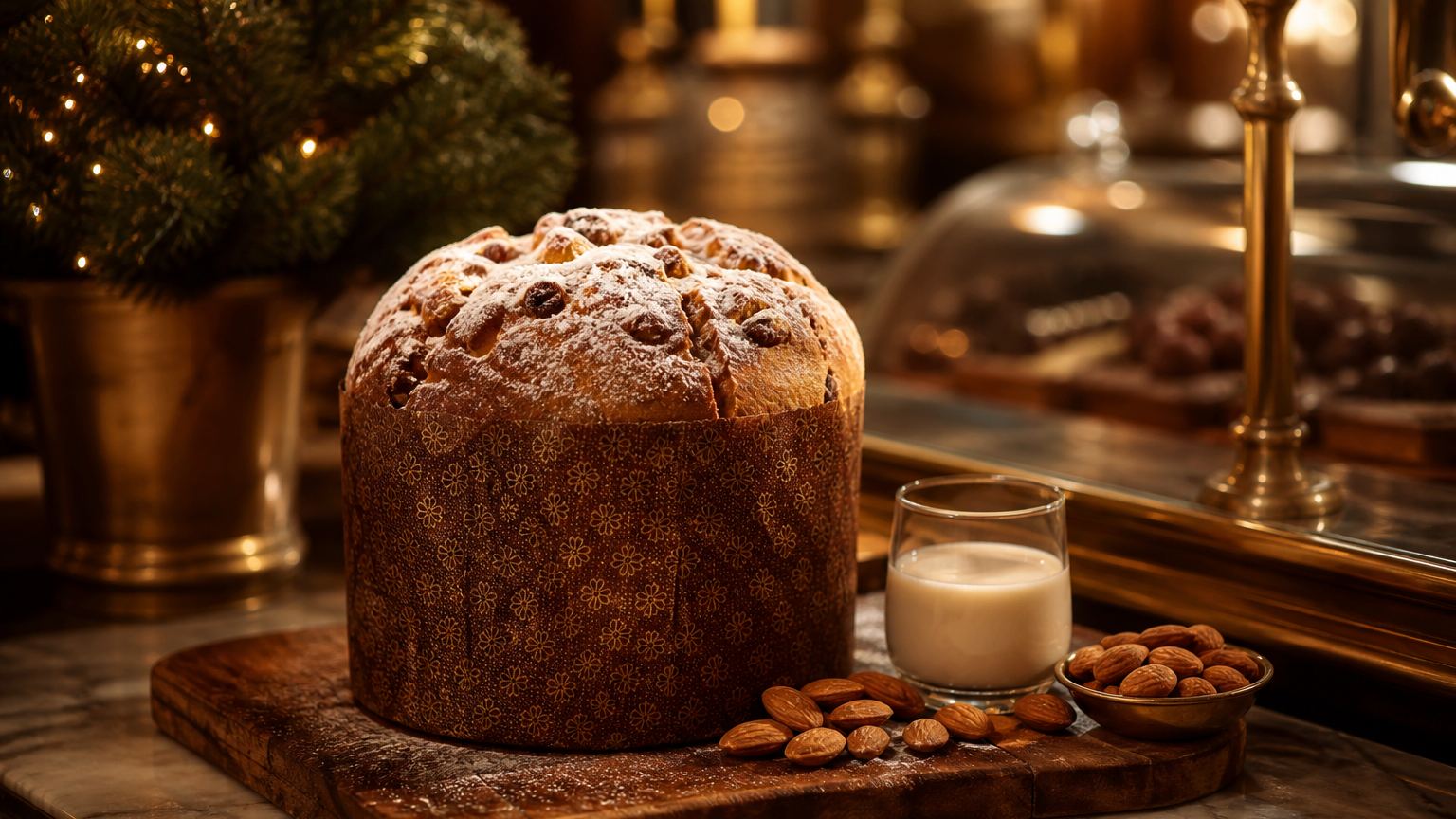
Vegan Panettone: How It's Made Without Butter and Eggs, and How to Choose a Well-Made Artisanal One
Vegan panettone without butter, eggs or milk: what replaces them, how the taste changes and what to check on the label to pick an artisanal one.
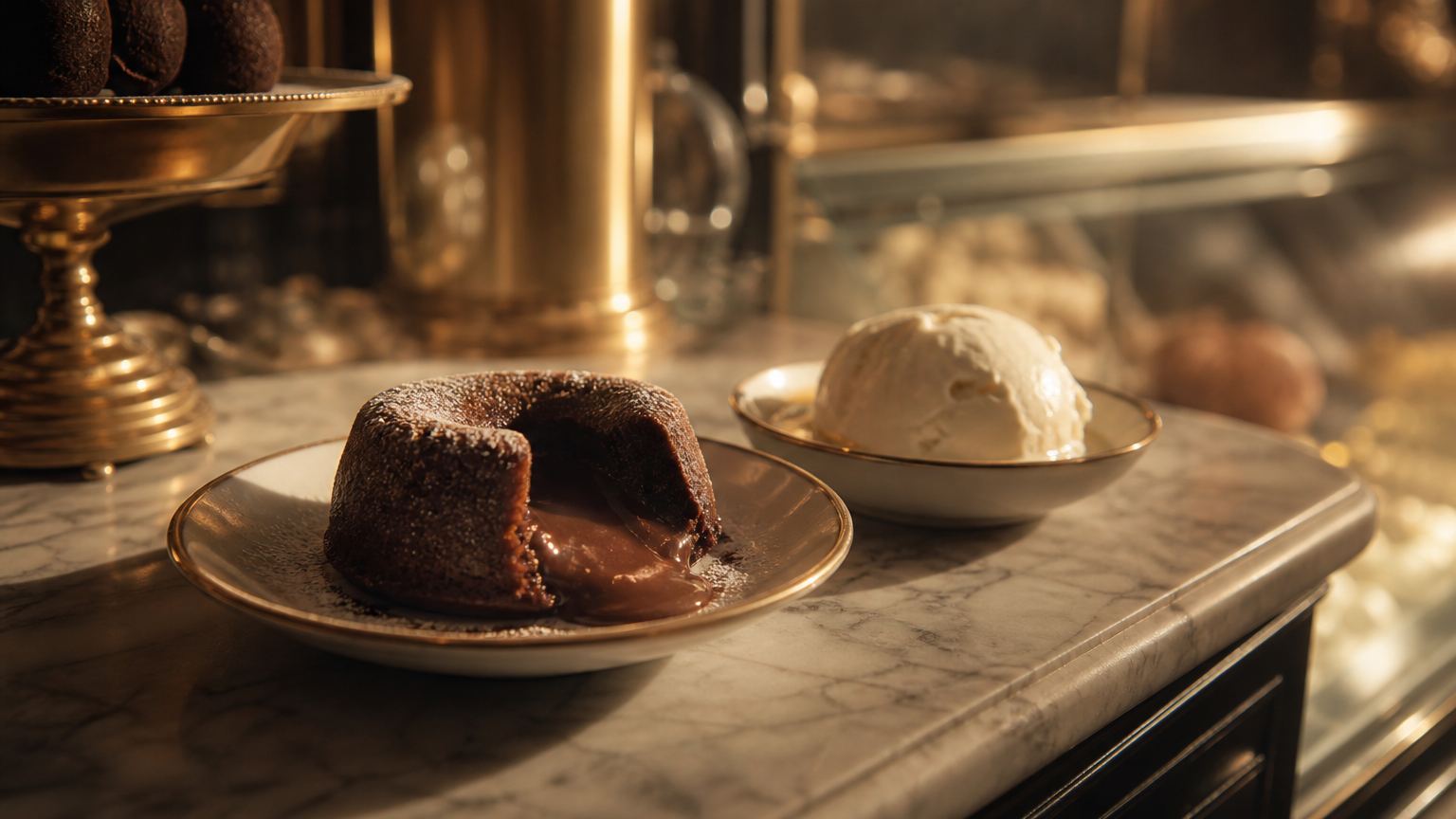
Molten chocolate lava cake: the step-by-step recipe and the fior di latte gelato pairing
The molten chocolate lava cake recipe: exact amounts, minute-precise baking times and the freezer trick, with fior di latte gelato as the perfect pairing.
When to go
The gelato season, region by region
There is no single calendar for artisanal gelaterie in Italy, and knowing when they open changes the trip. On the Romagna riviera and along much of the Adriatic coast the counters follow the beach season: many raise the shutter around Easter and close in September, and in November finding an open cone in Cesenatico is harder than in Milan.
In the big cities the cycle is reversed. Turin, Bologna, Rome and Naples have counters open twelve months a year, because gelato is daily food there and not a holiday souvenir: in December the display fills with custards — zabaione, panettone, torrone, marron glacé — and fruit sorbets give way to citrus, which is at its best in winter. That is the season in which a fior di latte is easiest to judge, without the competition of summer fruit.
In the mountains the calendar is doubled. Gelaterie in Trentino-Alto Adige and Valle d'Aosta work the summer with hikers and the winter with skiers, and close during the two shoulder seasons: anyone planning a trip in April or October would do well to call ahead. In Sicily and Calabria, the opposite holds — the season is almost continuous, and the morning granita stays a habit even in January.
Then there is the chapter of counters that change face twice a year. Many workshops in the centre and north run gelato through the summer and switch to festive baking in winter: the same shop selling cones in July fills its shelves with panettoni by September, and anyone arriving in December looking for gelato finds a pasticceria. That is not a fallback, it is how an artisanal workshop stays open all year without discounting quality through the dead months, and often the pastry chef making the best panettone in town is exactly the gelatiere who made the best custard in July. It is worth asking at the counter: the answer nearly always leads to a taste.
The guide's listings carry opening hours whenever public sources confirm them, but seasonal openings and holiday closures are the fastest-ageing information of all. For a trip made specially, one phone call to the counter is worth more than any page, this one included. If you would rather start from geography, it is all in the guide's regional pages, town by town.
How it works
Search, discover, taste
Search
By name, city or region: the search finds the gelateria and takes you to its listing.
Discover
Every listing lines up what has been verified: address, map, hours and the counter's history.
Taste
The Google map linked to the listing takes you to the right display window. The rest is the best part of the day.
The guide's whole method, from data sources to updates: how AppGelato works.
FAQ
Finding artisanal gelaterie: quick answers
How do I find the best artisanal gelaterie near me?
From the map of the regions or by searching by name, city and region: every regional page lists the gelaterie town by town, with a map and directions for each listing. The regional symbol flavors help you pick the first taste.
Where does the listing data come from?
From public sources — including OpenStreetMap — and the guide's archive: the editorial team verifies and enriches it over time. When a piece of data is not confirmed, the listing leaves it out rather than inventing it, and no position is for sale.
How do I recognise a genuine artisanal gelateria?
By the laboratory's signals: flavors that follow the seasons, natural colors, covered tubs or pozzetti and a list that changes through the year. Bright green pistachio in January tells a different story.
Can gelaterie pay to appear in the guide?
No: no sponsored rankings, no paid listings. The guide reports what the sources confirm — the rest is up to the counter.