Gelateria la Madegra dal 1913
The listing
In Italy, Gelateria la Madegra dal 1913 is one of the historic addresses — the date in its story speaks for itself: 1913 for anyone after real artisanal gelato.
Before planning a visit, it is worth checking seasonal openings and closures directly with the gelateria.
From 1913 to today: one of the counters with the longest history among the guide's listings.
Artisanal gelato in Italy: the context for this listing
The difference between artisanal and industrial gelato is decided in the laboratory: daily churning, fruit in season, less air and fewer added vegetable fats. That is why the same word, gelato, can describe such different experiences from one address to the next.
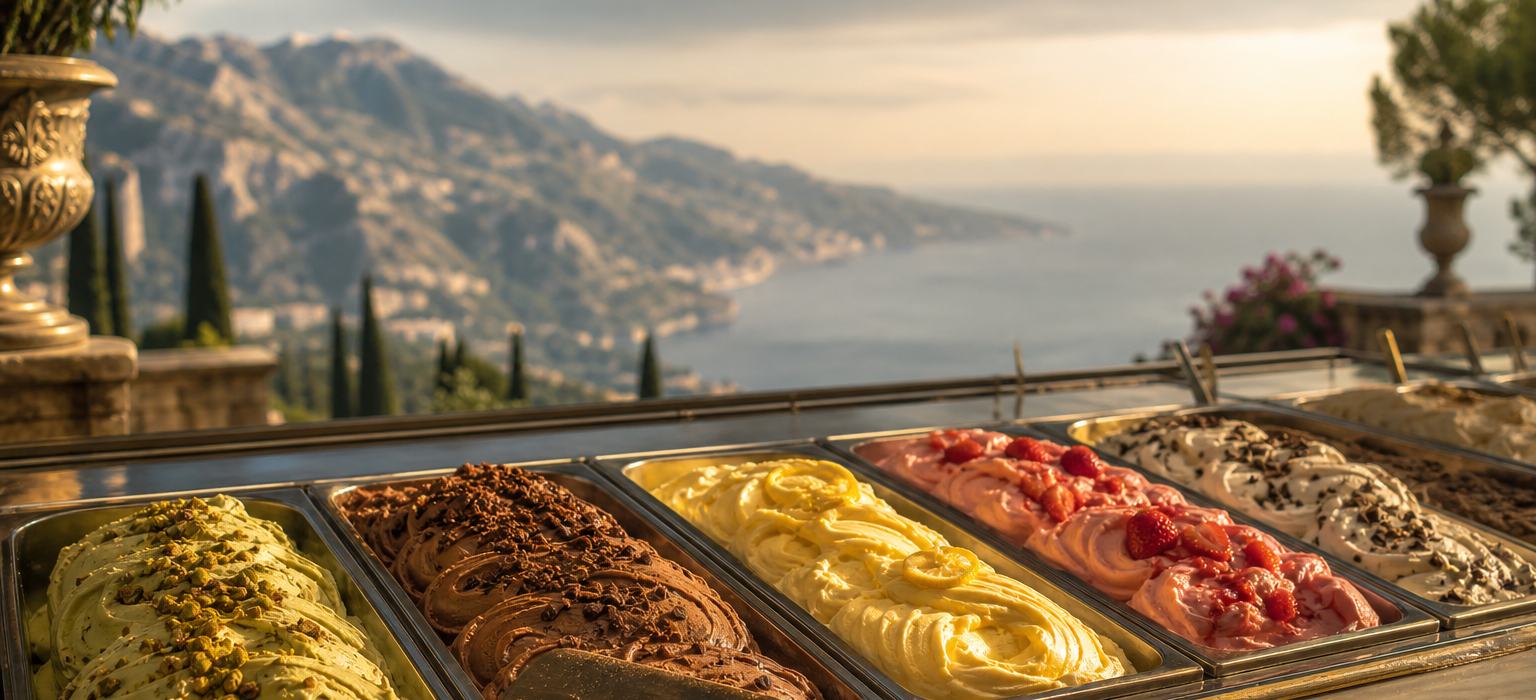
Italy counts tens of thousands of gelato shops, but the truly artisanal counters give themselves away in the details: a flavor list that changes with the weeks, believable colors, covered tubs that protect the product instead of showing it off.
The cone remains one of the country’s most democratic rituals: a good counter turns up in historic centres and provincial towns alike, and it is often off the tourist routes that the laboratories surprise the most.
The guide gathers gelaterie region by region: from the regions page you can drill down to the city and to each individual listing.
How to use the guide starting from this listing
The most direct route starts from the gelaterie page: the map of the regions leads to the area you are interested in, where the counters are grouped town by town with maps and directions. The search on the homepage, meanwhile, finds a gelateria by name, city or region in a few keystrokes.
This is one of the guide’s essential listings: fields appear only once the sources confirm them. For the visit itself, the universal rules of artisanal gelato hold — seasonal flavors, believable colors, protected tubs — plus a direct check of hours and openings.
What to taste at the counter
A simple tasting method: one scoop of a classic cream and one of the flavor that tells the territory’s story. If both convince, the rest of the display case rarely disappoints. Being wary of bright colors out of season remains the oldest and soundest advice in the trade.
The tubs are a clue as well: closed pozzetti or low, covered pans protect gelato far better than the colorful mountains in some display windows, and shops that use them usually work for flavor, not for show.
Nearby gelaterie in the guide
In the same area the guide also follows Gelateria Sicoli dal 1937, Gelateria Smile and Gelateria da Bepi dal 1937: their listings are linked below. Even outside the big cities, comparing nearby counters says a lot about the level of the area.
FAQ about Gelateria la Madegra dal 1913
Since when has Gelateria la Madegra dal 1913 been open?
The recorded year is 1913, worn proudly right in the shop’s name. Gelaterie with a long history behind them are often the safest way to learn a city’s taste.
How can you find the exact address of Gelateria la Madegra dal 1913?
When the address is not yet confirmed in the listing, the most reliable route is to search for the gelateria’s name together with its town on the shop’s official channels or an online map. As soon as public sources confirm the data, the listing is updated at the next refresh cycle.
How can you tell whether a gelateria is genuinely artisanal?
Look for three things: seasonal flavors, believable colors and protected tubs. And listen for one: the people serving an artisanal counter can usually tell you where the pistachio, hazelnut and fruit come from. Vague answers say more than any sign.
Why do some listings carry more information than others?
The guide’s rule is simple: better an empty field than an invented one. Every listing shows the information confirmed as of the latest update, and grows over time along with its sources.
Is the information in this listing verified?
The listing reports only data confirmed by public sources — including OpenStreetMap — and by the guide’s archive: when a piece of information cannot be verified it is omitted, not invented. No gelateria can pay for its listing or its position.